
01Scene 0100:00-00:07
For years, iTunes was the crate holder.
For years, iTunes was more than a music player. It became the crate holder for an entire generation of DJs.
originarchive

Narrative
Eight panels, drawn from the launch film script. Frustration, recognition, controlled separation, recovered intelligence, operational freedom — the same architecture the rest of this directory documents, told as a strip.


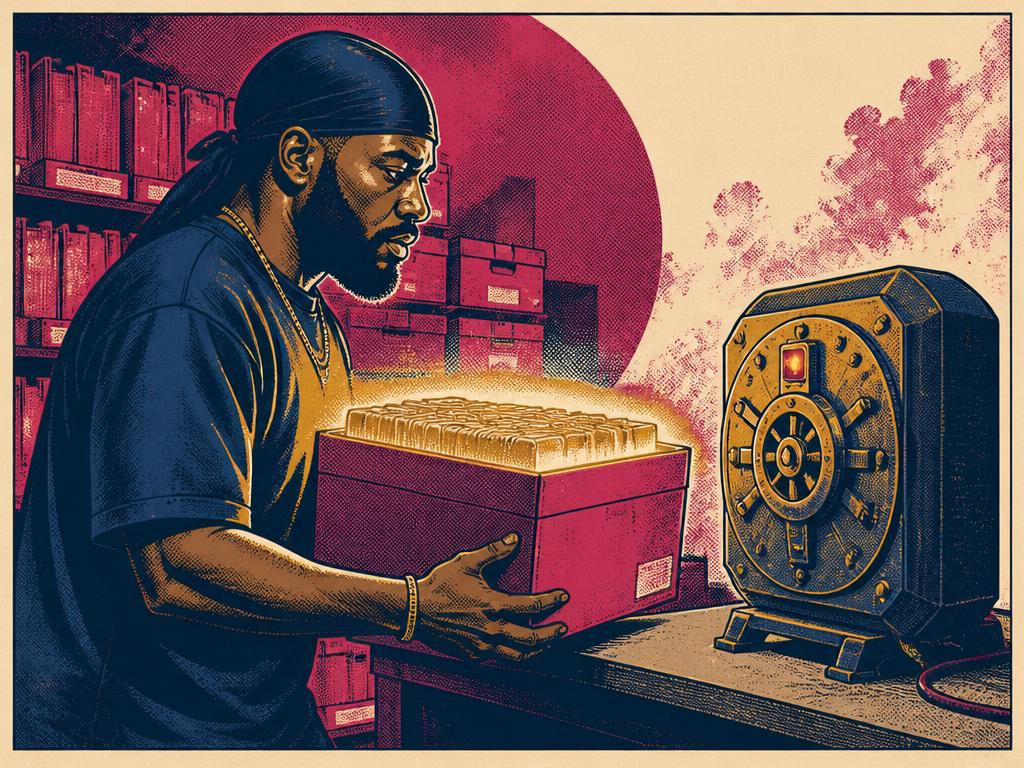

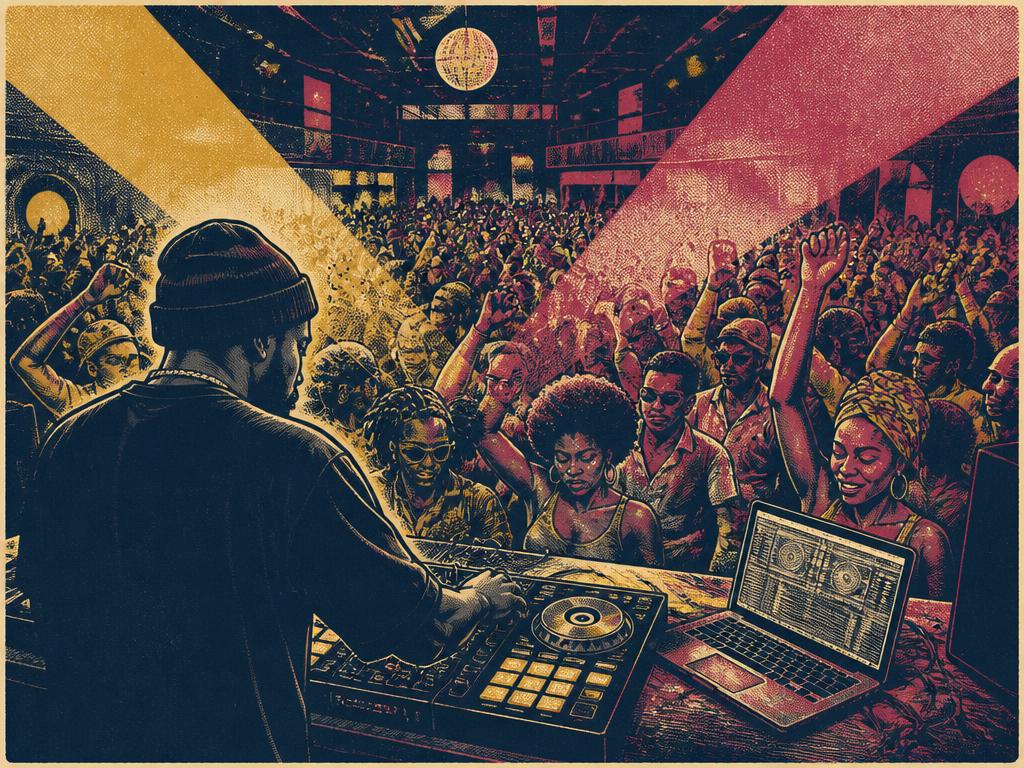
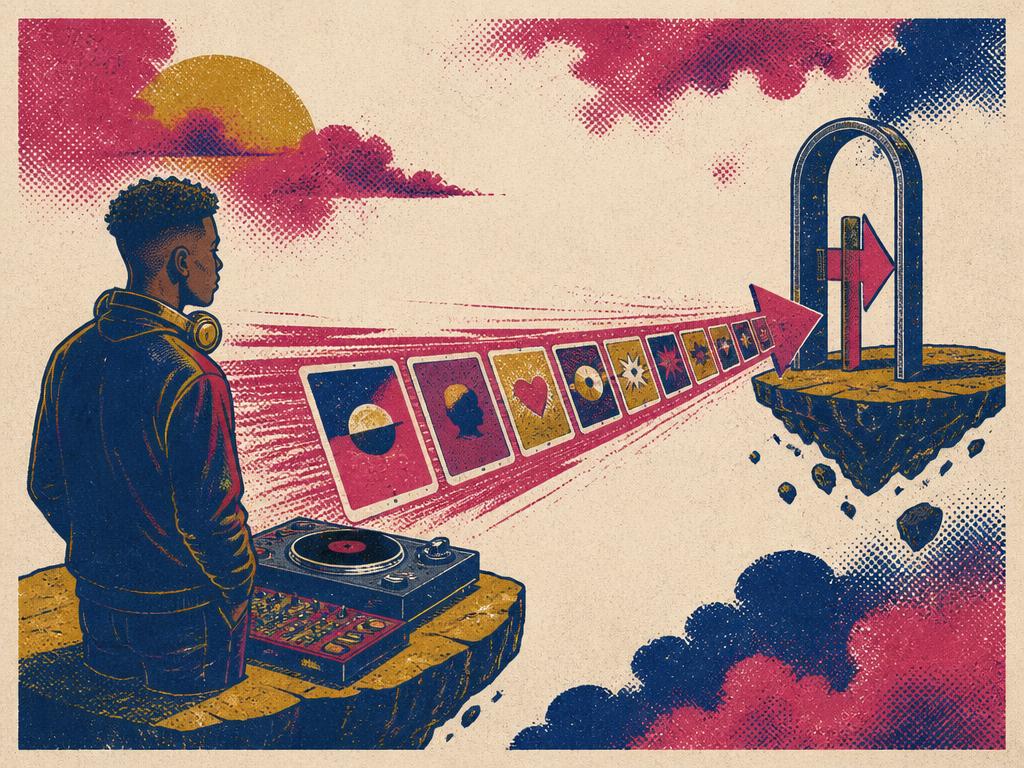

For years, iTunes was more than a music player. It became the crate holder for an entire generation of DJs.
Autoplaying strip — pause or step through, then read the panels in full below.
Promo cut
The full strip as a 1080×1920 vertical video with sub-heavy UK bass — sized for Instagram Reels and Stories, TikTok and YouTube Shorts. 32 seconds, captions burned in, brand frame and link on every panel.
For years, iTunes was more than a music player. It became the crate holder for an entire generation of DJs.
Then iTunes became Apple Music. The tracks remained, but the working library stopped behaving like a serious DJ system.
The way out was not another single platform. It was to separate ownership, administration and performance.
The audio files moved into an independent Master Music Library — ordinary files, no longer owned by the application.
Lexicon became Administration Mode: playlists, smartlists, metadata, Grouping and riddims, BPM, key, cues and backups. The migration preserved the intelligence inside the collection — not only the songs, but the logic used to play them.
That structure was written into Serato, where the old playlists became native crates and subcrates for performance. Inside Serato, the owned library and the TIDAL mirror met in one performance environment, with stems available where they mattered.
Streaming stayed separate. Spotify remained the source for discovery and sharing. Soundiiz mirrored selected playlists one way into TIDAL.
Backups, relocation and recovery turned the change into a controlled migration rather than a risky leap. I documented the complete process so other DJs can make the same switch.
Proof
Real screen capture from the completed migration. This demonstrates the resulting Serato library; it is not a complete software tutorial.
The strip is the shape of the work. The journey page is the work itself — preflight gate through acceptance gate, with stop conditions at every stage.